
Technology
The four layers of every connected site.
A radio to get data off the site, a gateway and backhaul to get it to the internet, protocols that give it meaning, and a platform that turns it into decisions. Plain-language guides to each, with the trade-offs we weigh when we design a network.
LoRaWAN · LTE-M · gateways and backhaul · protocols and integration · MODURA
Guides
Start with the layer you are stuck on.
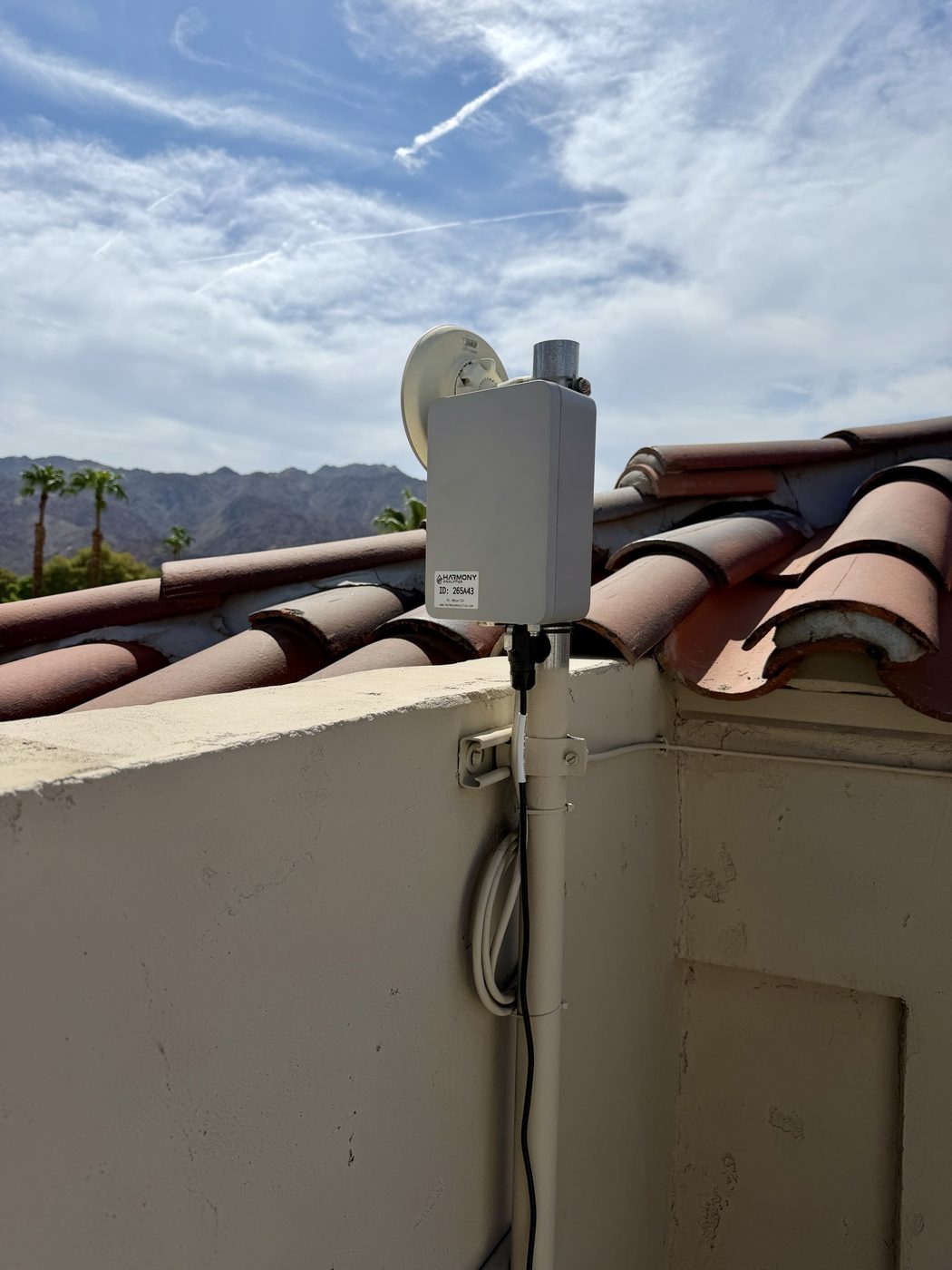
LoRaWAN
Long-range, low-power, and yours to own. How it works, device classes, joining, security, private vs public.
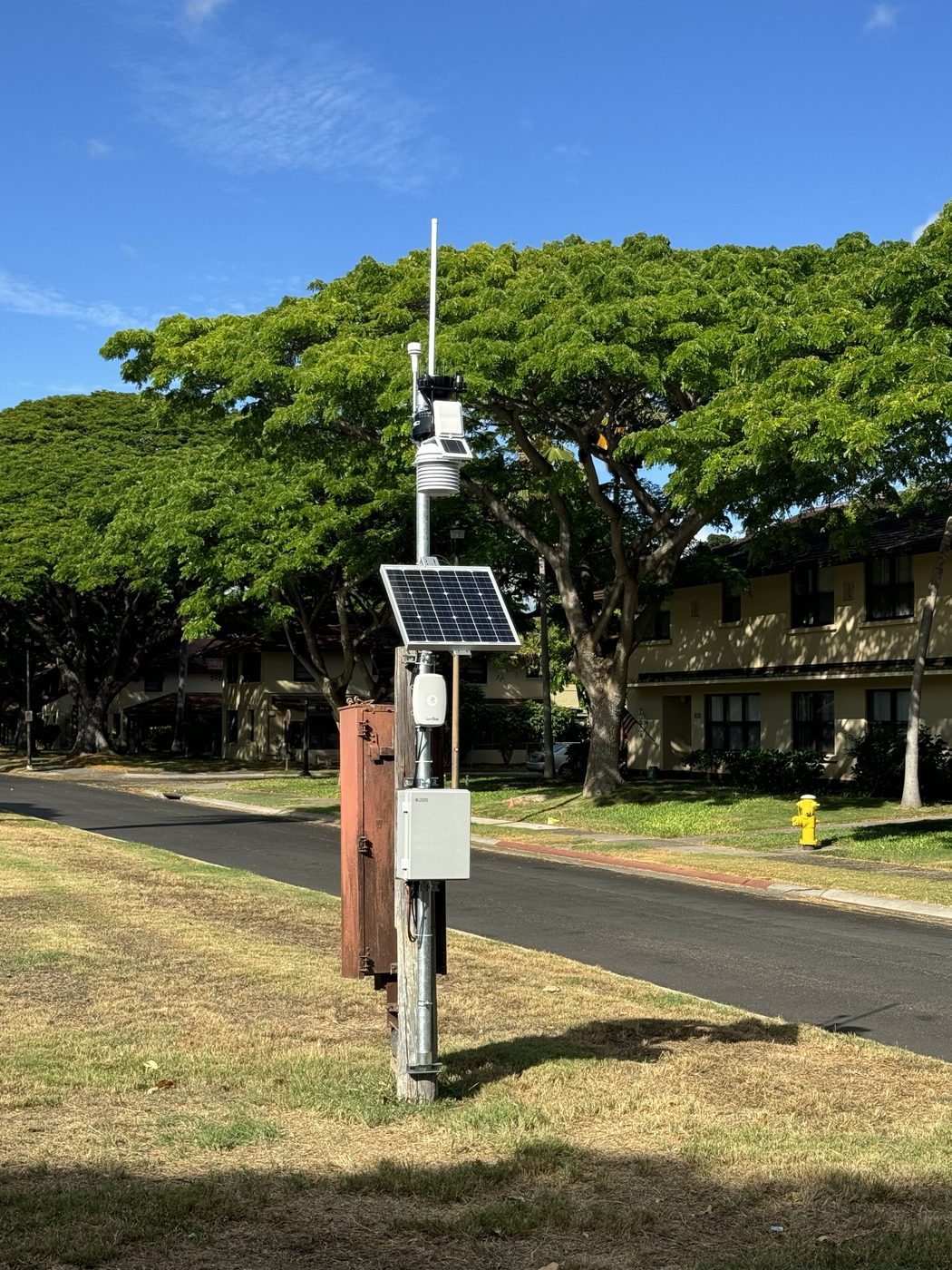
LTE-M
Cellular for sensors. Architecture, attach process, PSM and eDRX, mobility, security, and LTE-M vs NB-IoT vs LoRaWAN.
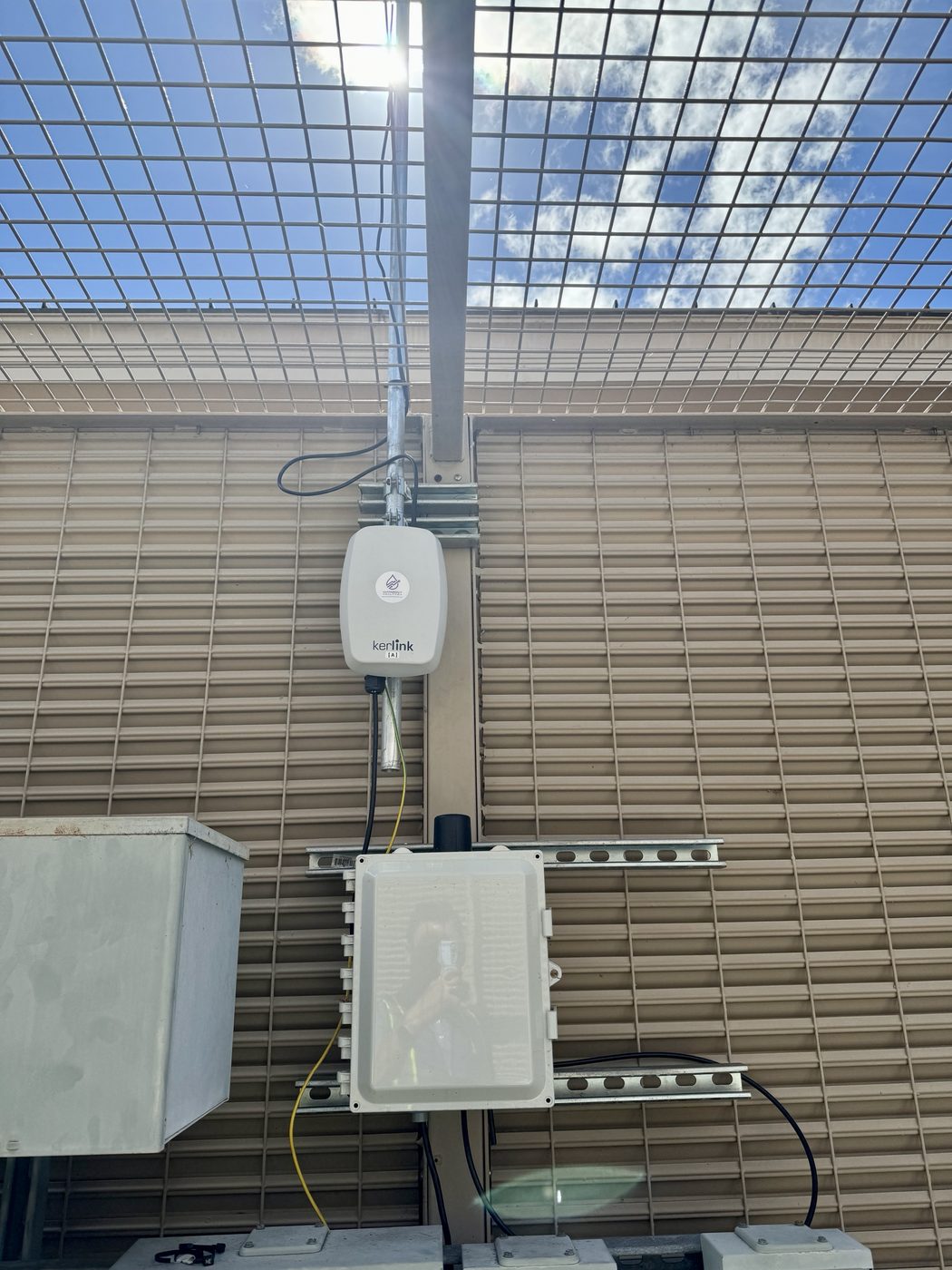
Gateways & backhaul
Choosing and placing gateways, powering them, and Ethernet, Wi-Fi, cellular, wireless bridges and satellite backhaul.

Protocols & integration
Pulse, analog, SDI-12, Modbus, serial, MQTT, REST, BACnet and OPC UA, and how they end up in one view.
How to read this section
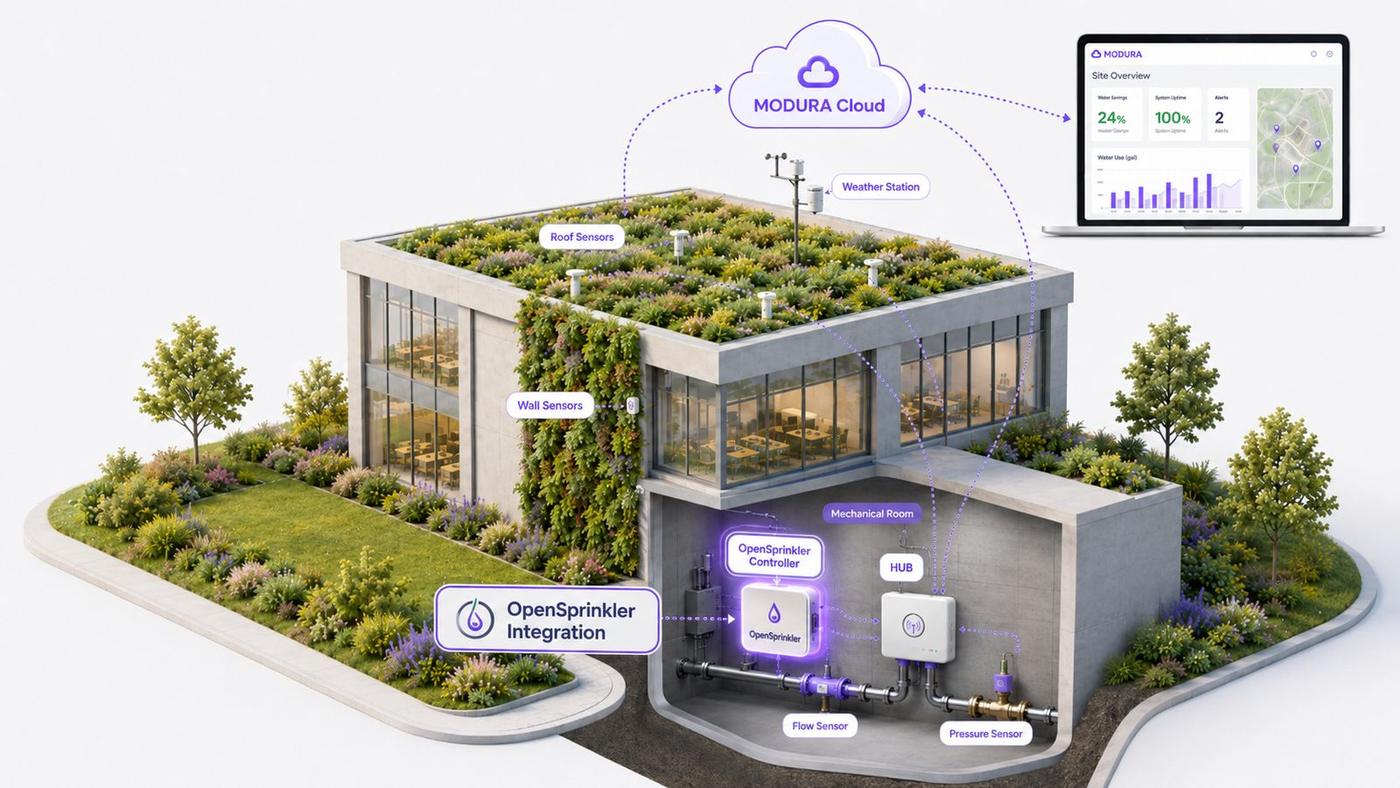
Every project we deliver is built from the same four layers: a radio that gets data off the site, a gateway and backhaul that get it to the internet, the protocols that give it meaning, and a platform that turns it into decisions. These pages explain each layer in plain language, with the trade-offs we weigh when we design a network. They are written for facility managers, superintendents, utility engineers and property teams who have to live with the result, not for radio engineers.
- LoRaWAN: the long-range, low-power network we build most. How it works, device classes, joining, security, and private versus public networks.
- LTE-M: cellular for sensors. Architecture, the attach process, power saving, mobility, security, and when to pick it over NB-IoT or LoRaWAN.
- Gateways and backhaul: choosing and placing gateways, and getting their data out over Ethernet, Wi-Fi, cellular, wireless bridges or satellite.
- Protocols and integration: pulse, analog, SDI-12, Modbus, serial, MQTT, REST, BACnet and OPC UA, and how equipment from different vendors ends up in one view.
Vendor-neutral by design
We do not sell a radio, a gateway brand or a network server. We recommend whichever combination fits the site, the budget and the team that will maintain it, and we say so in writing before hardware is ordered. Where a LoRaWAN network is the right answer we will build it; where two cellular sensors do the job we will not build a network for them. The guides here reflect that: each one ends with where the technology fits and where it does not.

The platform layer
MODURA turns the data into decisions.
Every radio, gateway and protocol on these pages ends in the same place: readings, alerts, service records and site context in one view, so technicians are sent with context instead of sent to find out.
- Soil moisture, flow, pressure and weather in one view
- Alerts, approvals and service workflows
- Controller integrations and mobile access for field teams
Harmony Analytica
Not sure which layer is the problem?
Describe the site and what you wish you knew about it. A senior consultant will tell you which radio, which backhaul and which integration, in writing, before anything is ordered.